Blood cells are made in the bone marrow, the soft tissue inside the larger bones, so some blood studies need to look at the factory itself. A bone marrow test takes a little liquid marrow, called the aspirate, and a thin core of bone and marrow, called the biopsy, usually from the back of the hip bone. This guide covers why a study asks for one, how it is done, how you may feel afterward and what the lab does with each sample.
Why a blood study looks inside the marrow
A full blood count shows what leaves the marrow but not how the marrow itself is working. In MDS a marrow sample is central, because it shows how the cells are maturing and helps doctors place the condition in a lower-risk or higher-risk group. In polycythemia vera it can show how crowded the marrow has become and whether any scarring has started.
For ITP a marrow test is not always needed, though some studies ask for one to rule out other reasons for a low platelet count. With MGUS a sample may be taken to see how many plasma cells sit in the marrow. The study plan says when samples are collected, so ask the team early how many it expects.
Numbing the hip and the pulling feeling of the aspirate
You lie on your side with your knees drawn up toward your chest, or sometimes on your front. The doctor or nurse feels for the bony ridge at the back of your hip, cleans the skin and injects local anesthetic into the skin and down to the surface of the bone. That sting passes in seconds. Some centers also offer light sedation, so ask beforehand what is available.
Once the area is numb, the test usually goes in this order:
- A hollow needle is eased through the outer layer of bone, which feels like firm pressure
- A syringe draws up liquid marrow, bringing a brief, deep pulling ache that can run down the leg
- A slightly wider needle takes a narrow core of bone, often with a twisting push
- Pressure is held on the spot for a while, then a dressing goes on
The dressing, the soreness and the rest of the day
Many people lie on their back for a short while afterward so their own weight presses on the spot and stops any oozing. The area is commonly sore or bruised for a few days, much like a deep knock, and ordinary pain relief that your team approves usually settles it. Keep the dressing dry for as long as the team advises and skip heavy lifting until then.
If you had sedation, someone needs to take you home, and you should not drive for the rest of that day. Tell the team beforehand if you take a blood thinner or your platelets run low, since they may plan extra steps. Call the number they give you about bleeding that soaks the dressing, a fever, or redness that spreads.
What the lab does with liquid marrow and the core
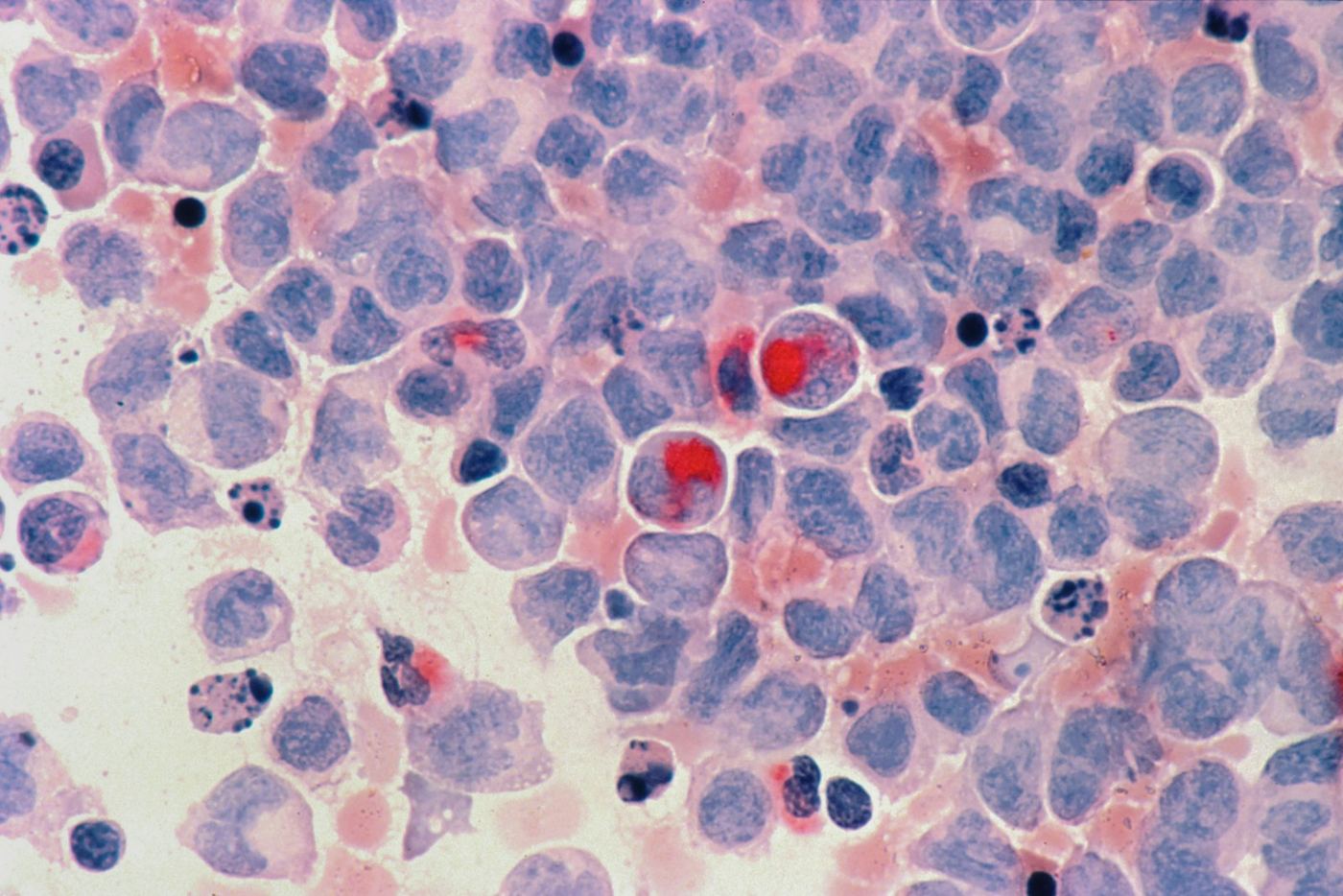
Part of the aspirate is smeared onto glass slides at once, stained and read under the microscope, where a scientist counts each type of cell and judges how well it has matured. The core is soaked in a fixing solution, softened to remove the minerals in the bone and cut into very thin slices. Those slices show how packed the marrow is and whether fibers or scarring have built up.
The rest of the liquid marrow goes for specialist tests on the cells themselves. One looks at the chromosomes, the packages that hold genetic material, for pieces that are missing, extra or swapped around. Others read particular genes the marrow cells changed during life, and flow cytometry tags cells with markers to count unusual groups. These look at changes the marrow picked up, not at genes you inherited.
When the different marrow results come back
Results arrive in stages. The smears can often be read within days. The core takes longer because the bone has to be softened before it can be sliced, and chromosome and gene tests can take a few weeks, since some of the cells must be grown in the lab first. The study team explains the findings once the full set is in, and you can ask for a copy to reach your own hematologist.
- A marrow test samples the place where blood cells are made, usually at the back of the hip.
- Local numbing comes first, and some centers add light sedation.
- The aspirate brings a short pulling ache; the biopsy feels like a firm, twisting push.
- Smears, the core and tests on marrow cell chromosomes and genes each answer a different question.
- Expect a sore spot for a few days and results that come back in stages.