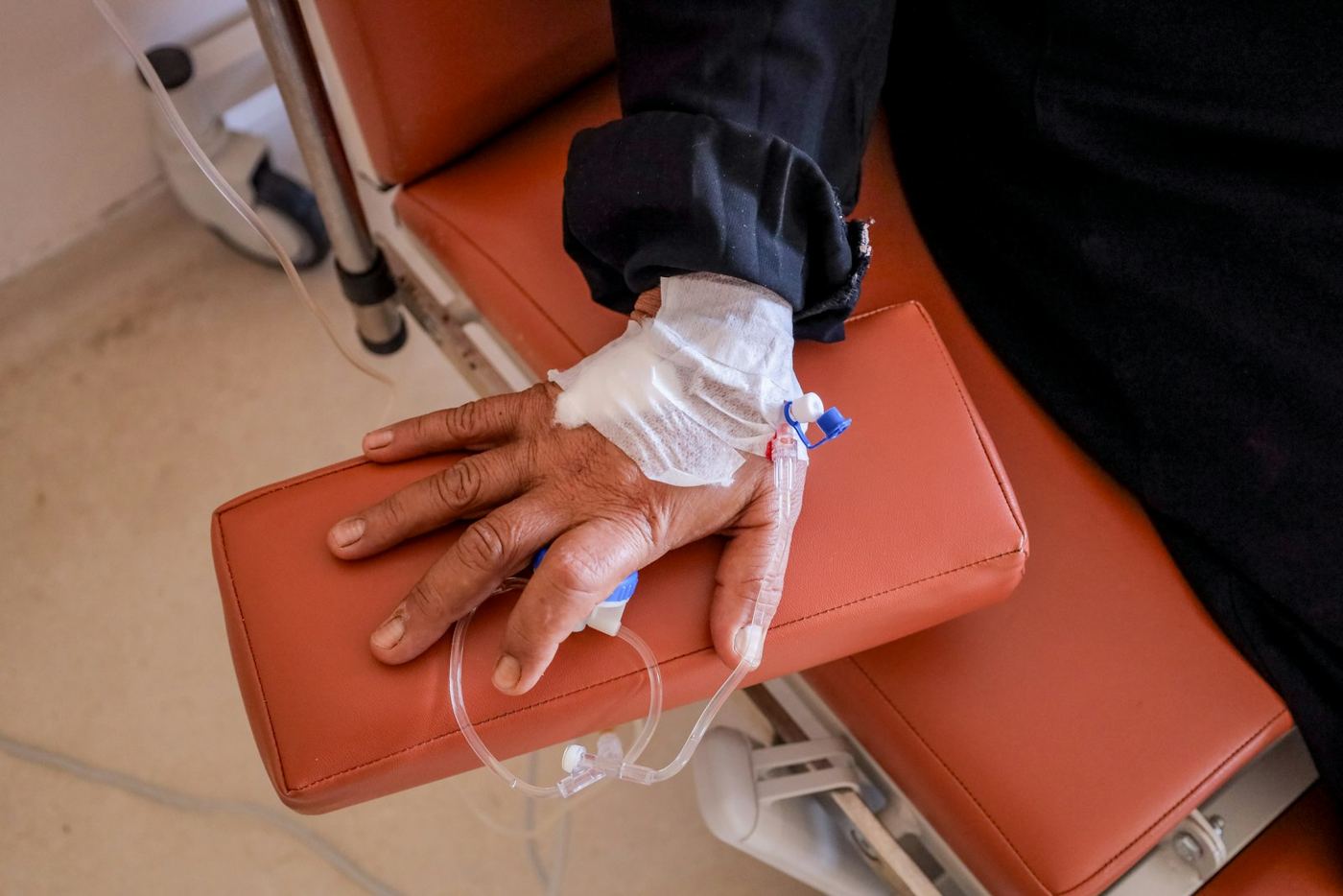
Some blood studies give treatment as an infusion, a liquid run slowly into a vein while you sit in a reclining chair. An infusion day is mostly waiting, and knowing the order of events makes it easier to plan around. This guide walks through arriving, the cannula, the blood test that comes first, any medicines given beforehand, the pump and the checks, what to pack and how the day ends.
Checking in at the infusion unit
An infusion unit is usually a room of reclining chairs, each with a stand for bags and a small side table. You check in, a nurse confirms who you are, and you may be weighed if the study needs it. Arrive at the time you were given, because the pharmacy often prepares each bag only after the morning’s checks are done.
Wear sleeves that roll up easily, or a loose layer over a T-shirt. Drinking water the day before can make your veins easier to find, unless your team has asked you to limit fluids. If you have a port or another longer-term line, mention it on arrival so the nurse can use it instead of a fresh needle.
Blood drawn first, then a wait for the counts
Most infusion days open with a blood sample, often taken through the same cannula that will later carry the infusion, so you have one needle rather than two. The tubes go straight to the lab for a full blood count and sometimes kidney and liver tests. The team needs those results before treatment goes ahead, because low counts can mean the infusion is held for another day.
This wait is often the longest part of the morning. The lab is running samples from the whole unit, so results can take an hour or more when it is busy. Use the time to eat, read or rest. If you have a temperature, feel unwell or started a new medicine since your last visit, say so now, as it may alter the plan.
Pre-medicines, the pump and the regular checks
Some infusions are preceded by medicines that lower the chance of a reaction, given as tablets or through the line a short while before. The study bag is then connected to a pump, a box on the stand that pushes the liquid in at a steady, set pace. It beeps when a bag empties, a line kinks or air is detected, which is ordinary and quickly sorted out.
A nurse checks your pulse, blood pressure and temperature before the infusion, during it and at the end, more often in the early part. Say at once if you notice itching, flushing, a tight chest, shivers or pain where the line goes in. An infusion can be slowed or paused while they look at you, so speaking up early keeps a small problem small.
What to pack for a long sit in the chair
Infusion days can fill a morning or most of a day, depending on the study, the wait for results and how slowly the bag has to run. Units are often kept cool, and any chair grows hard after a few hours. A small bag of comforts makes a real difference to how the day feels:
- Layers you can add or take off, and warm socks
- Snacks and a drink, if the team says eating is allowed
- A book, puzzles, or a charged phone with headphones
- A short list of questions for the nurse or study doctor
- Your usual tablets, if any fall due during the day
Going home, and who to call afterward
Some studies ask you to stay for a while after the bag finishes, with a last round of checks, before the cannula comes out and a small dressing goes on. Press on the spot for a minute or so to stop a bruise forming. If the medicines given beforehand made you drowsy, arrange for someone else to drive you home.
Before you leave, make sure you have the study team’s contact number for the hours ahead and know what counts as urgent. A fever, a spreading rash, new bruising or bleeding, or feeling very unwell after an infusion are all reasons to call. For anything sudden and severe, use emergency services. Check with the team or your own doctor before taking extra medicines for symptoms.
- An infusion day usually starts with a blood test and a wait for the counts.
- Medicines beforehand and a pump running at a steady pace are common parts of the day.
- Pulse, blood pressure and temperature are checked often, especially early on.
- Pack layers, food if it is allowed and something to pass the hours.
- Leave with the study team’s number and a clear idea of when to ring it.